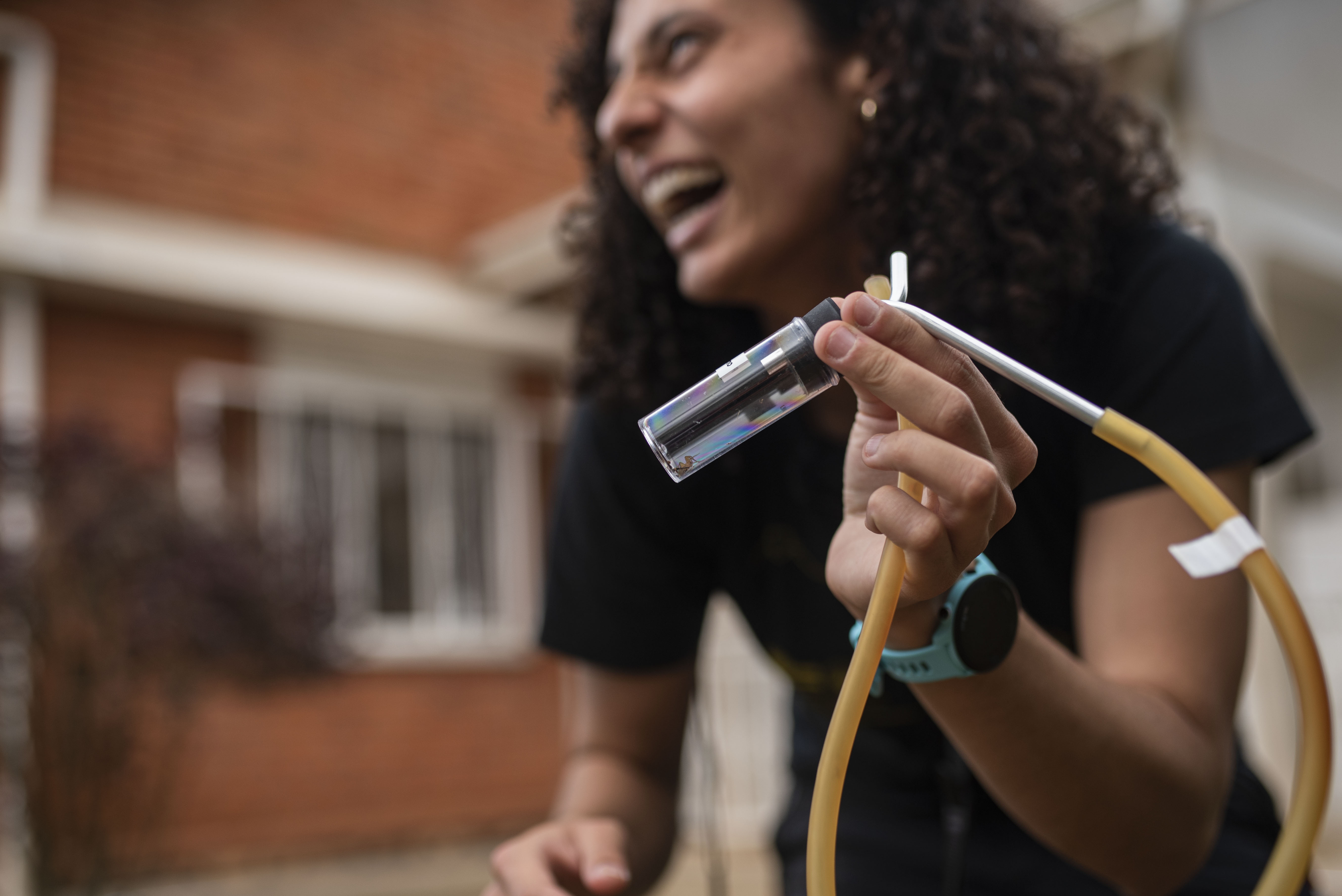
Scientist examining a specimen vial in the field
SSBI — Survivors Saving Biodiversity

Survivors of human trafficking
are training as
para scientists.

"Human dignity and biodiversity
are mutually reinforcing."
— Dr. Charles Masembe  ·  Makerere University, Uganda

Why survivors of human trafficking?

Human trafficking and environmental stress often affect the same communities. When land, water, and food systems are under pressure, livelihoods become unstable. People are pushed to move, take risks, or accept unsafe work. This is where exploitation takes hold.

Survivors understand these pressures directly.

A survivor trained in biodiversity monitoring, working in her home region, understands environmental change not as theory, but as lived experience. Systems that shape food security and livelihoods require people trained to understand them. Over time, this contributes to communities better equipped to navigate change.

Pathways to long-term peace building

A retail job stabilizes one individual; a conservation science role shifts the vulnerability equation of an entire community. Environmental change drives food insecurity, displacement, and resource conflict—destabilizing entire regions. By anticipating these dynamics, we can prevent instability before it takes hold.

Teaching science is not new.

What is new is saying that this population can become conservation science leaders.

And that we need them.

Our Solution

Survivors Saving Biodiversity is a vocational training program in conservation science, designed for the most underserved populations. Our pilot has launched in Kampala, Uganda —a country with strong land preservation policy (16% protected areas), growing community engagement, and evolving ecological literacy. We're building a local vocational workforce equipped to support the conservation momentum. (learn more) →
Testimonials
Meet one of our student pioneers
Meet our case manager Dr. Namugenyi
Hear about her experience with the program.

Sectors hiring parataxonomists

Herbariums
Plant specimen collection, pressing, cataloguing
Aquatic monitoring
Freshwater sampling, macroinvertebrate surveys
Restoration projects
Ecosystem assessment, native species tracking
Pollinator monitoring
Bee and butterfly surveys, habitat assessment
Interested in hiring trained parataxonomists?
Cohort One graduates in September, 2026.

Crisis

50M
people enslaved on any given day
Forced. Expendable. Invisible.
Research shows a direct link between climate stress and modern slavery. As livelihoods collapse, coercion fills the gap.
Survivors face stigma, limited livelihoods, and social isolation. Many are pushed into black-market networks, from sexual extortion to online fraud.
The regions most affected by trafficking are often the same regions richest in undiscovered biodiversity.
Reintegration is not a given. A livelihood in science changes that.
1T
estimated species on Earth. Over 80% still undescribed.
Undocumented. Unprotected. Endangered.
The scientific record is accelerating its loss. New specimens added to natural history museum collections have been declining every year since the 1990s, with no sign of reversal.
Only 7% of described species have extinction risk assessments on the IUCN Red List.
This decline is happening precisely when new tools, AI, genomics, and digitisation, are expanding what collections can do.
Three-quarters of Earth's species remain undescribed. Many will vanish before they are named.
AI can help classify. Only a person can collect.
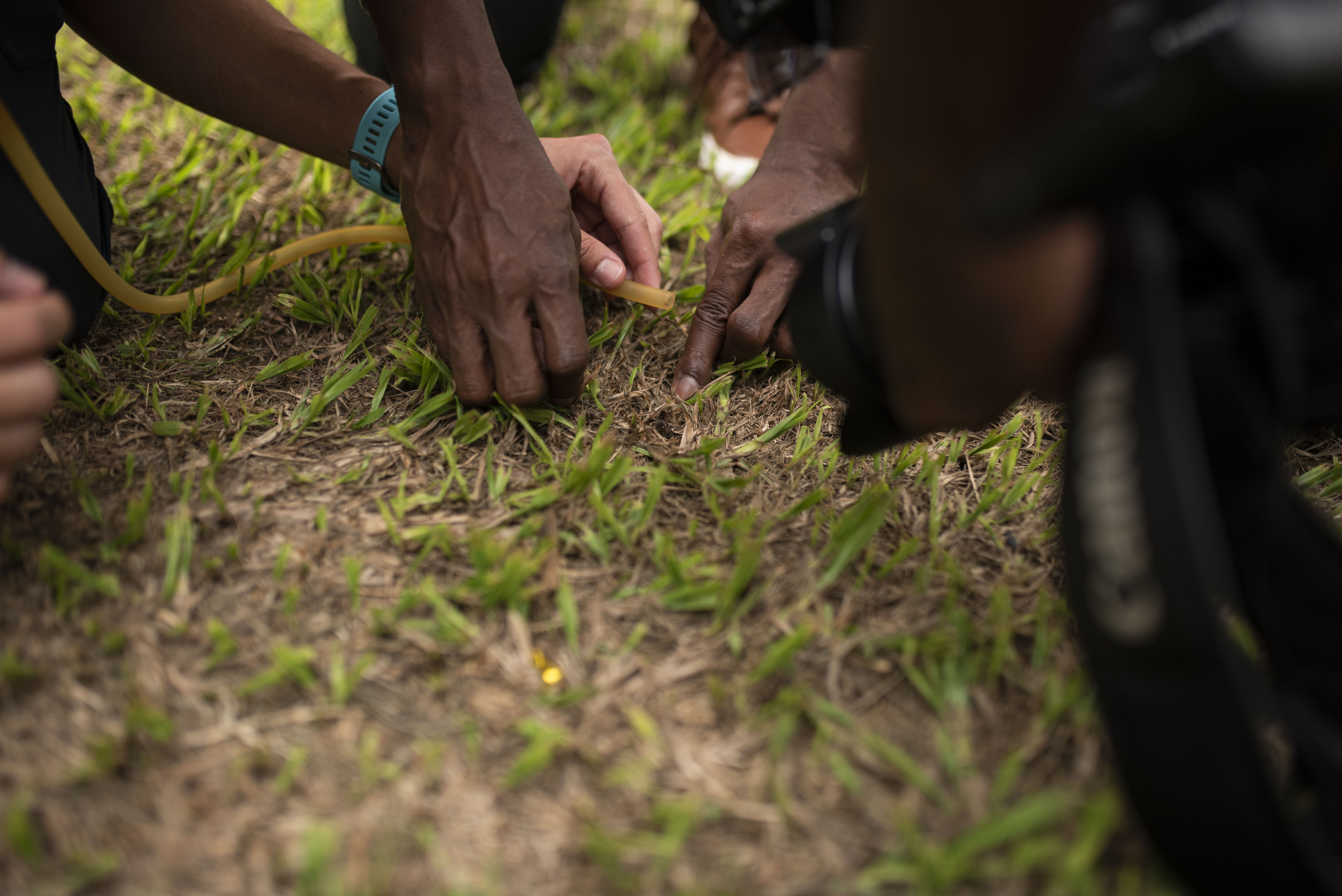
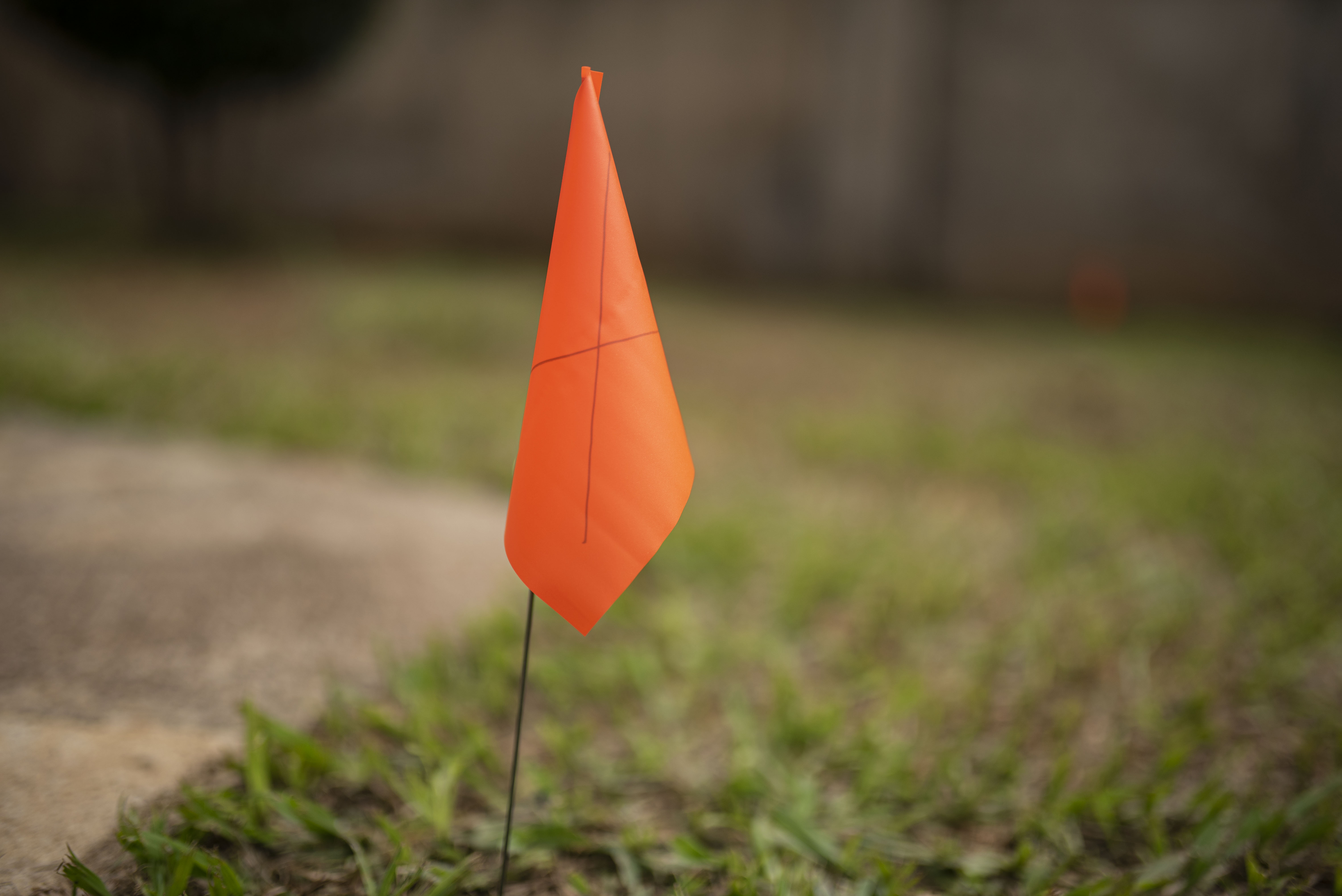
Survey flag in grass Hand gripping sweep net

Training more taxonomists takes years we don't have. It's as if the medical field lacked nurses. SSBI is the solution.

Hands placing pitfall trap in soil
Soil monitoring
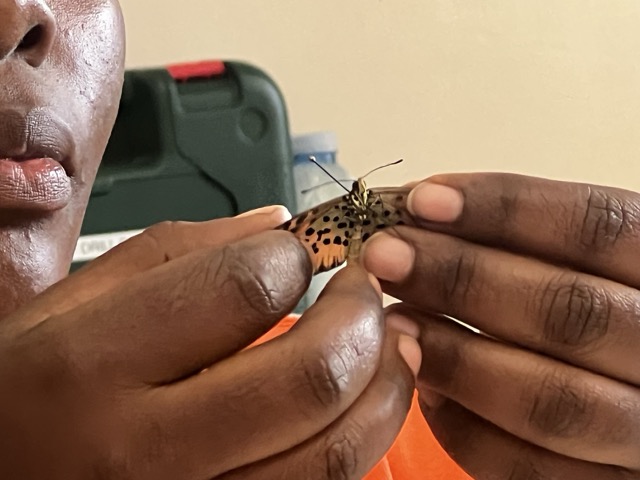
Pioneer examining butterfly specimen
Specimen handling
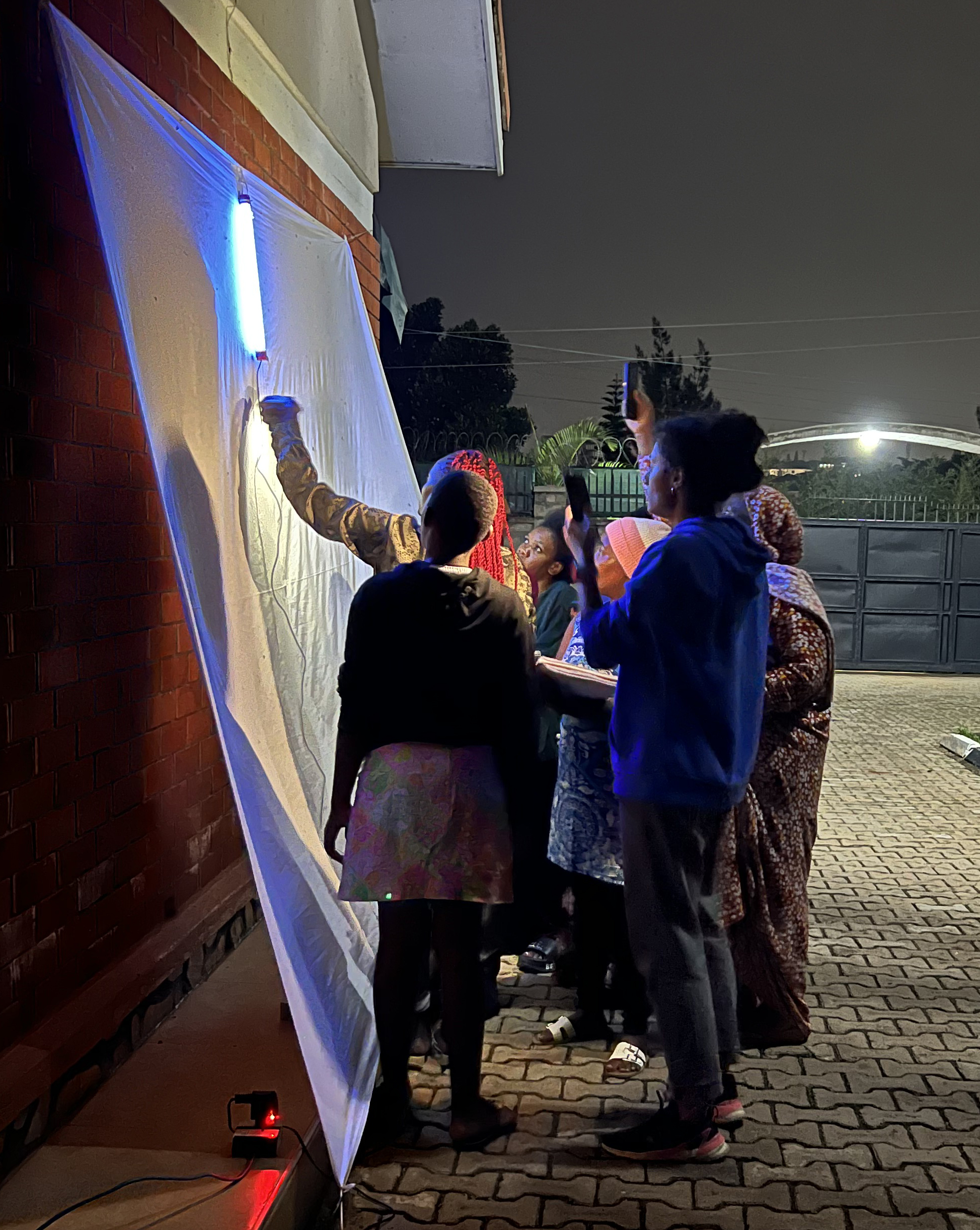
Night insect collection with UV trap
Night collection
+
Insect pinning

The Program

What is parataxonomy
The workforce that enables biodiversity conservation at scale.
The SSBI model
Six months. Real skills. Employers waiting.

Parataxonomists are trained technicians. They fill the critical gap between citizen scientists and professional researchers. Committed to accelerating biodiversity inventories and monitoring, they provide the data needed for informed land use decisions.

The curriculum is designed by scientists at the leading universities in Uganda, Makerere and Mbarara, and supported by an international scientific advisory board. Delivered through Tularix, a custom AI mentor built specifically for this program.

Deep understanding of ecosystem services and conservation policy frameworks
Skilled in monitoring water and soil organisms across field and lab settings
Trained in collections management and digitisation
Local conservation stewards trained in the scientific method
Field sampling, morphological and molecular species identification
Data acquisition and metadata standardisation aligned with GBIF
Blended learning combining in-person fieldwork with AI-guided online modules
Graduates enter a pipeline of employer partners across Uganda

News

Night insect collection, Kampala
2025
The first taxonomic survey of urban insects in Kampala
The SSBI pioneer cohort (class of 2026) is conducting the first systematic urban insect taxonomy survey of Kampala, Uganda.

From a safe house to a field campus. Ten survivors of human trafficking are now in the field — collecting, identifying, and recording insects across Kampala using UV light traps, sweep nets, and pitfall traps. Alongside insect surveys, pioneers are monitoring soil biodiversity. This is the first survey of its kind in the city, contributing data to global open source biodiversity databases aligned with GBIF standards.

Environmental Peacebuilding Conference
Upcoming
Talk at the 4th International Conference on Environmental Peacebuilding
SSBI will be presented at the international conference on environmental peacebuilding — the intersection of ecological work and human recovery.

Details and date coming soon. The conference brings together researchers, practitioners and policymakers working at the intersection of environmental conservation and conflict recovery. Conference website →

SSBI Science Fair
July 2026
SSBI Science Fair
Cohort One presents their research findings at the first SSBI science fair.

Placeholder — details coming soon. Pioneers will present their field research, specimen collections and biodiversity data to an invited audience of scientists, partners and supporters.

Hire trained parataxonomists

Available September 2026

SSBI volunteer in the field

Get involved

Scientific partners
Makerere University
Curriculum lead, Uganda
Mbarara University
Co-design partner, Uganda
Naturalis Biodiversity Center
International advisory, Netherlands
San Francisco State University
International advisory, USA
Compound Eyes Foundation
Program design and innovation
Ever Free International
Survivor support and facility